Thailand Shines at NASA: TLC Liquid Crystal Experiments Begin Aboard the ISS
12/19/20252 min read
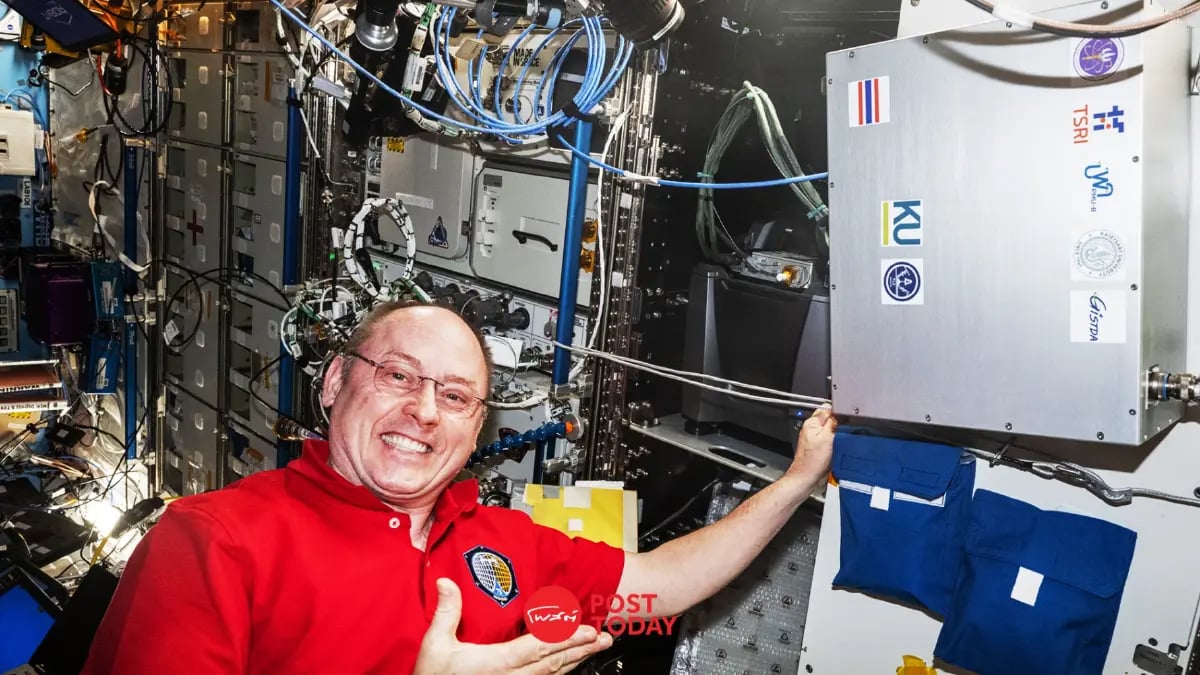
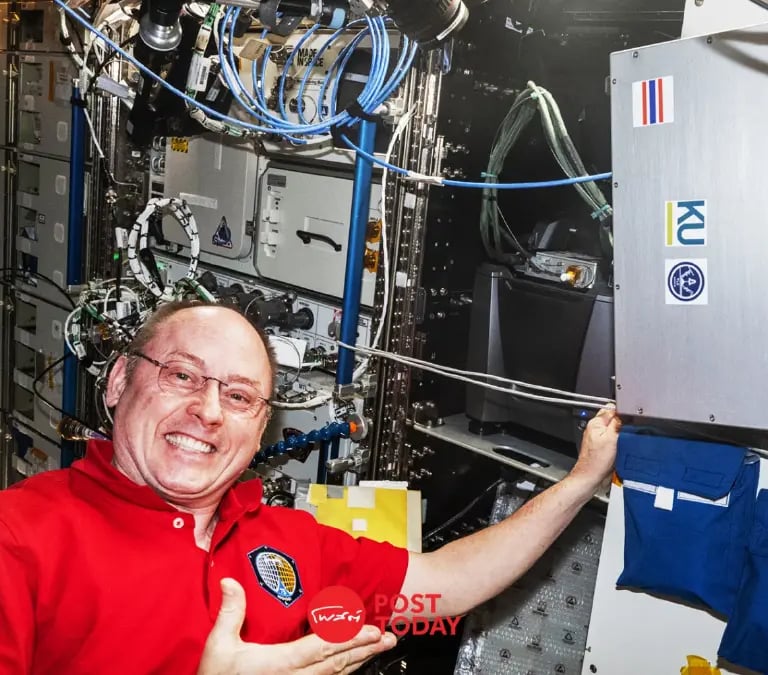
This marks another major milestone for Thailand’s scientific community. The TLC project payload (Thailand Liquid Crystals in Space)—developed by a Thai research team—has now officially begun liquid crystal experiments in space.
Following the installation by NASA astronaut Mike Fincke, who integrated the payload into the KERMIT microscope (KEyence Research Microscope Testbed) aboard the International Space Station (ISS) and replaced the microscope filter with the project’s dedicated special filter to start data collection on December 1, 2025, at 9:30 a.m. (Texas local time), the experiment is scheduled to run for a total of 120 hours, from December 1–22, 2025. Operations are being coordinated across three main teams:
On the ISS: Astronauts rotate daily to install the payload and replace the KERMIT microscope filters each morning, in accordance with the experiment configurations.
Thai research team: Controls payload experiment operations from Voyager Technologies’ control room in Houston, Texas.
Microscope control team: Operates the KERMIT microscope from BioServe Space Technologies’ control room in Boulder, Colorado.
The Thai research team is led by Assoc. Prof. Dr. Nattaporn Chattam (Department of Physics, Faculty of Science, Kasetsart University), together with Asst. Prof. Dr. Apichat Phatthanaphokhrattana, the deputy project lead. The supporting team of engineers and graduate students—Wutthiphon Sathianphaisan, Chaturong Chanria, Theerathat Chomchok, Jutharat Kaewthong, and Noppadon Saniwong na Ayutthaya—is closely monitoring the experiment outcomes.
The core focus of the TLC project is to study “defects” in thin liquid-crystal films under microgravity conditions. By eliminating the effects of Earth’s gravity, the research is expected to help liquid crystals respond more effectively to electric fields. The work is divided into three sub-experiments:
Studying thin liquid-crystal films under differences in vapor pressure
Studying thin liquid-crystal films under air shear
Studying thin liquid-crystal films under environments with temperature differences
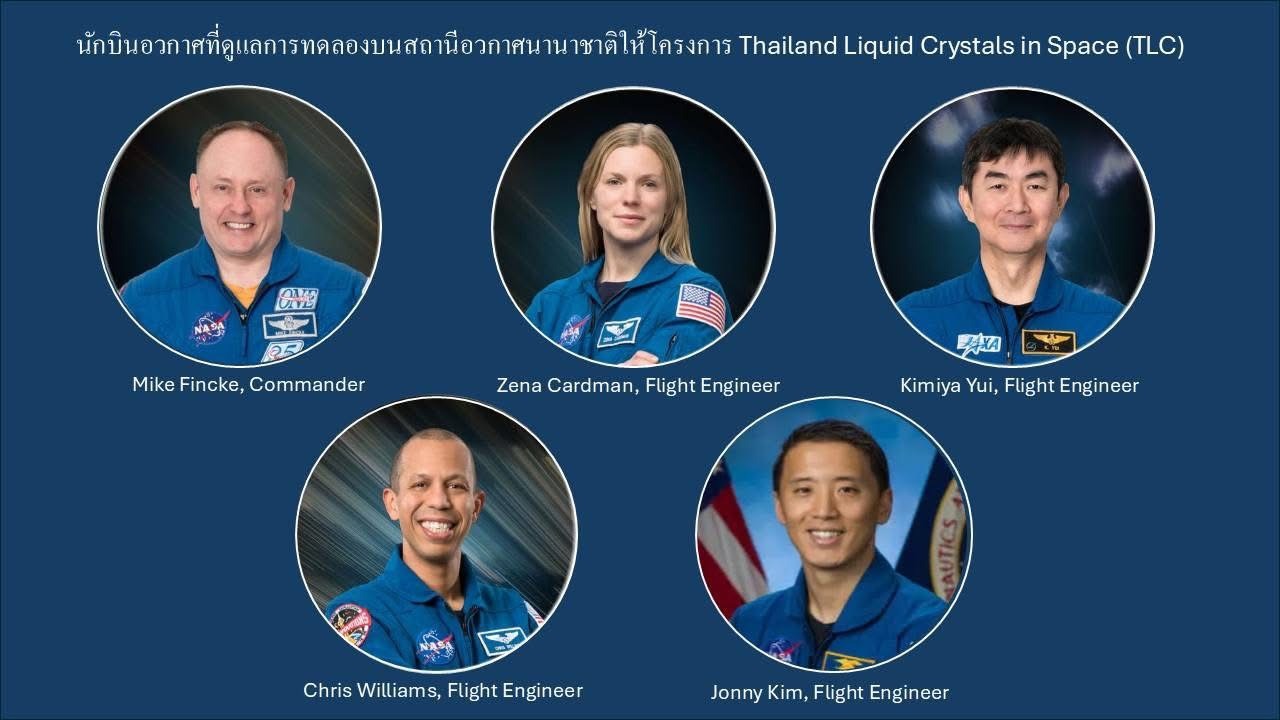
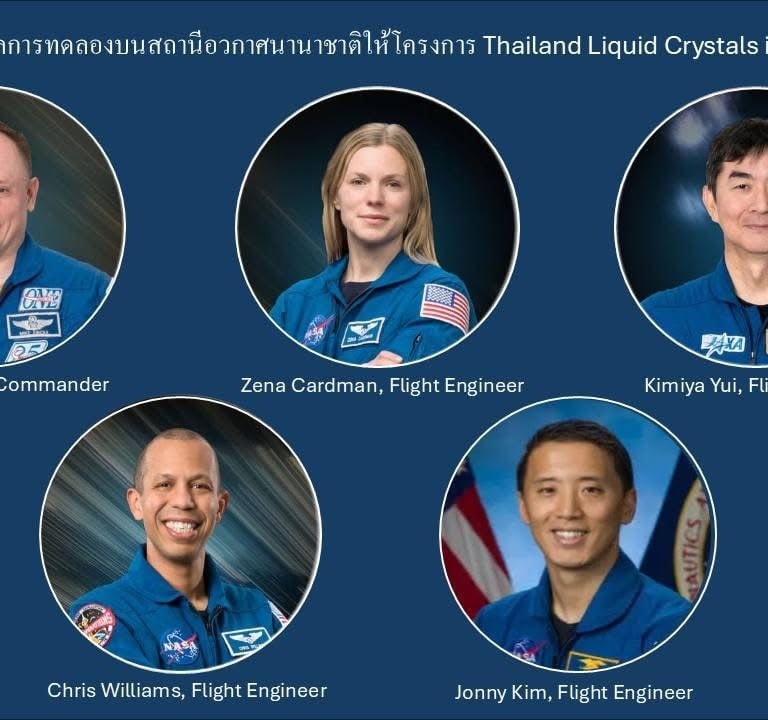
A team of five internationally recognized astronauts is rotating to support the experiment: Commander Mike Fincke, Zena Cardman, Chris Williams, and Jonny Kim from NASA, and Kimiya Yui from JAXA (Japan)
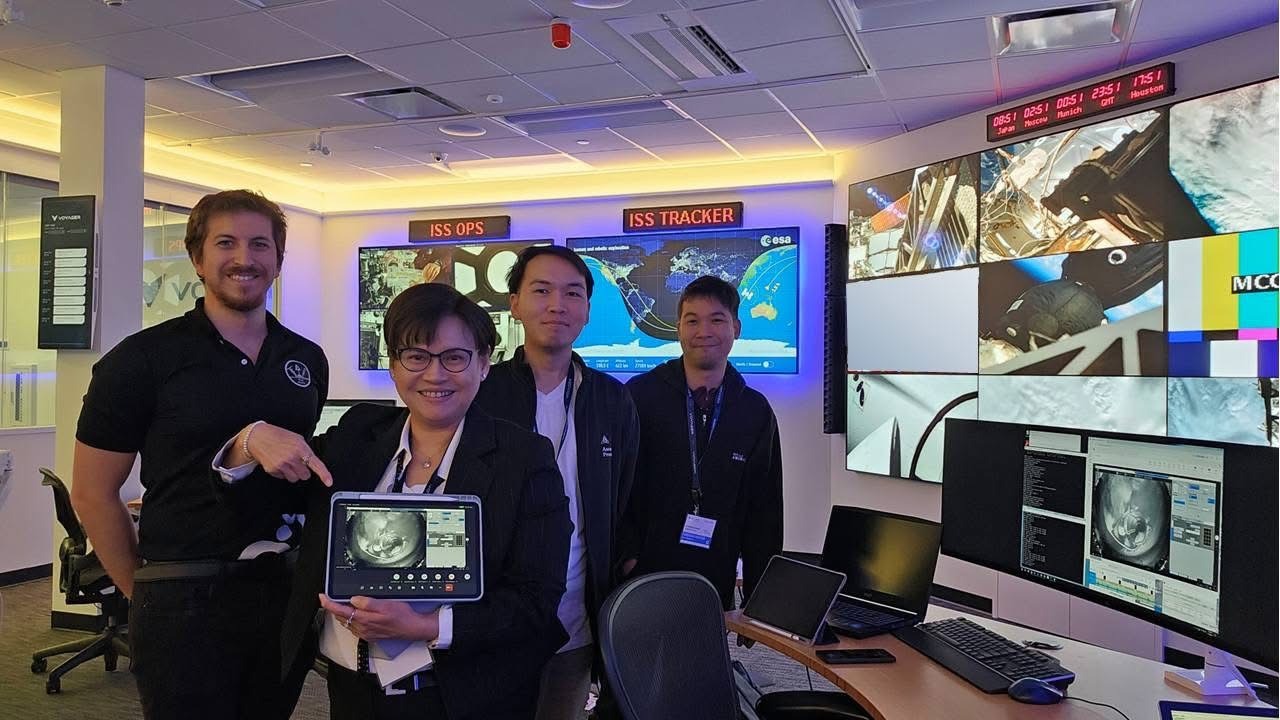
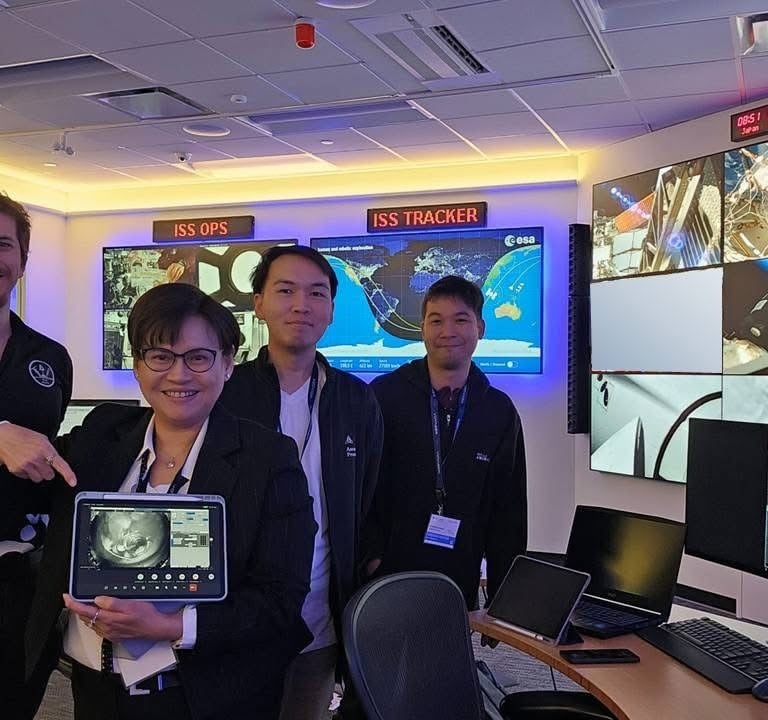
To achieve a fully realized liquid crystal experiment in space, the TLC payload required two years of development and successfully passed four phases of NASA safety reviews. The work was carried out under the oversight of Voyager Technologies, with Mr. Marcello Corporicci serving as the Mission Manager.
The payload was launched into space on September 16, 2025, carried aboard Northrop Grumman’s Cygnus spacecraft (flight NG-23) and launched on a SpaceX Falcon 9 rocket from Cape Canaveral.
Research funding for the project was supported by PMU-B under TSRI, while the costs of launch integration and on-orbit operations—valued at more than 500 million baht—were supported by the U.S. ISS National Laboratory and NASA. The success of the TLC project is not only a source of pride for Thailand’s scientific community, but also has direct implications for advancing next-generation LCD display technology—an industry worth over USD 150 billion per year, projected to grow to USD 1.4 trillion by 2029.
New knowledge gained from reducing liquid-crystal defects in microgravity could become a key driver in developing higher-performance displays for people around the world.
Reference : https://www.posttoday.com/smart-city/735202